
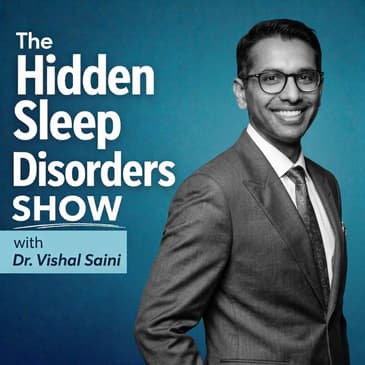
Welcome back to The Hidden Sleep Disorders Show! In this episode, sleep specialist Dr. Saini dives deep into the world of medications used to treat excessive daytime sleepiness. If you've struggled for years or even decades to get answers about persistent fatigue, this is the episode for you. He’ll explore the journey from diagnosis to treatment, discuss the most common medications like modafinil and armodafinil, and break down newer treatment options including orexin-based therapies and liquid formulations. Whether you’re managing narcolepsy, idiopathic hypersomnia, or struggling to find the right solution, tune in to learn how these medications work, what side effects to watch for, and how advances in sleep medicine are offering hope to patients everywhere.
Timestamps:
00:00 Ready for sleep clinic treatment
03:36 Identifying causes of sleepiness
08:57 Adjusting stimulant medication use
11:08 Research on narcolepsy treatments
14:54 Discussing sleep disorders and treatments
18:27 Managing medication follow-up and side effects
21:44 Discussing ADHD meds vs hypersomnia meds
24:19 Brief farewell and sign-off
Managing Excessive Daytime Sleepiness: Key Insights from The Hidden Sleep Disorder Show
Excessive daytime sleepiness can dramatically impact everyday life, but understanding its causes and available treatments is essential for those searching for answers. In a recent episode of The Hidden Sleep Disorder Show, Dr. Saini sheds light on modern strategies used to diagnose and treat this challenging symptom, focusing especially on medication options for disorders like narcolepsy and idiopathic hypersomnia.
The Path to Diagnosis: Addressing the Whole Picture
Many patients endure years or even decades of unexplained fatigue before reaching a proper diagnosis. As Dr. Saini describes, effective care begins with a thorough assessment to rule out other underlying conditions such as sleep apnea, mental health issues, or other medical disorders. This comprehensive approach ensures that all potential causes of sleepiness are explored, and only when other treatable issues are addressed does medication become part of the treatment conversation.
A critical diagnostic tool is sleep testing, including nap studies. These tests help quantify the burden of sleepiness and guide clinical decision-making. Once underlying problems are tackled and excessive daytime sleepiness persists, then targeted medications can come into play.
First-Line Medications for Daytime Sleepiness
The initial treatment for diagnosed excessive daytime sleepiness often includes wake-promoting medications. Dr. Saini points out that modafinil and armodafinil are typically the first medications prescribed. These drugs work by influencing brain chemistry to promote alertness and reduce fatigue, and they were originally researched for military applications before becoming mainstays for civilian use.
Modafinil and armodafinil are popular choices because they are affordable, effective, and generally have favorable safety profiles. Side effects are usually mild but can include anxiety, sweating, or difficulty falling asleep if taken too late in the day. The choice between the two often depends on their duration in the body, as armodafinil tends to last longer.
Considering Stronger Medications and Individualized Approaches
Some individuals may not respond sufficiently to standard wakefulness agents. In those cases, clinicians might consider stronger stimulants such as those commonly used for ADHD, like Adderall or Ritalin. Dr. Saini notes that many patients have already tried these medications due to misdiagnosed sleepiness as attention-deficit issues.
A thorough review of each patient’s history is crucial to decide whether to continue, adjust, or move beyond these stimulants. Importantly, these decisions are never “set and forget,” as close follow-up is needed to monitor both effectiveness and side effects.
The Newest Options: Innovations in Sleep Medicine
Recent years have witnessed the arrival of novel medications, including pitolisant and the family of oxybate products like Xywav. Unlike traditional options, pitolisant acts on histamine receptors in the brain, while oxybate solutions are taken at night to deepen restorative sleep and dramatically increase daytime alertness.
Groundbreaking research also points to promising developments in medications targeting orexin peptides, a core deficiency in narcolepsy type 1. For patients who continue struggling with daytime sleepiness after standard treatments, these new and upcoming therapies offer hope for more effective symptom control.
Tailoring Medication to Diagnosis and Patient Needs
The specific diagnosis often dictates which medications can be used. Some drugs, such as pitolisant, are approved only for narcolepsy, while others are suitable for both narcolepsy and idiopathic hypersomnia. For patients with sleep apnea who remain sleepy despite appropriate therapy, options like solriamfetol (Sunosi) may be especially beneficial.
Patient-specific factors, such as age, medical history, and previous drug responses, guide providers in customizing treatment plans. The process is always individualized to optimize benefits and minimize side effects.
Managing Side Effects and Addressing Misconceptions
Monitoring for side effects is essential, especially in the early weeks of treatment. Common issues can include anxiety, increased heart rate, or sleep disturbances. Less frequently, mood changes or confusion might occur based on the specific medication. Follow-up visits help ensure that medications are both safe and effective.
A frequent misconception is that medications for sleepiness are just “prescription strength” versions of ADHD drugs. In reality, the two classes serve different purposes and carry distinct risk profiles. Medications for sleep disorders are designed to minimize mood crashes and are less likely to cause dependence compared to traditional stimulants.
Final Takeaways: Hope on the Horizon
As research advances and more targeted treatments become available, individuals suffering from excessive daytime sleepiness have more options than ever before. Participating in clinical trials may offer access to cutting-edge therapies for those living with narcolepsy or idiopathic hypersomnia.
Dr. Saini emphasizes that while medication is rarely the whole story, it often plays a vital role in restoring alertness and improving everyday life. Understanding the diagnosis, exploring the therapy landscape, and maintaining regular contact with a knowledgeable clinician are critical steps toward better sleep health.
If you are seeking more detailed insights or personal stories, be sure to listen to the full episode of The Hidden Sleep Disorders Show for practical guidance and encouragement on your journey to better rest.
Dr. Vishal Saini - https://www.mwcsd.com/dr-vishal-saini/
Show Website - https://the-hidden-sleep-disorders-sho.beam.ly/
Podcast Producer - https://tophealth.care/
“Disclaimer: Informational only. Not medical advice. Consult your doctor for guidance.”