
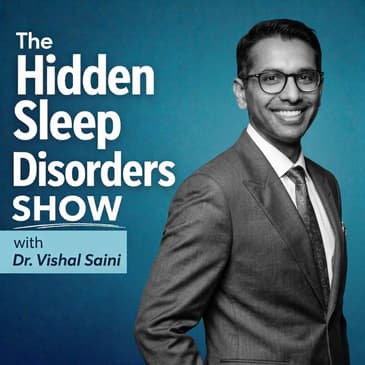
Welcome back to the Hidden Sleep Disorders Show. In this episode, the conversation focuses on how sleep disorders present differently in children compared to adults and why these issues are often overlooked or misdiagnosed as normal childhood behavior. With the back-to-school season, the discussion explored how challenges like missed alarms, daytime hyperactivity, and poor school performance could signal an underlying sleep issue rather than just a phase. Several points were raised, including the overlap between sleep disorders and conditions such as ADHD, the unique signs of sleep apnea in kids, and the complexities of diagnosing and treating pediatric sleep issues. Listeners will gain valuable insight into when parents should seek help, the limitations of home sleep testing for children, and why paying close attention to both nighttime and daytime symptoms is critical for a child’s well-being.
Timestamps:
00:00 Kids affecting parents' sleep quality
04:59 Understanding sleep apnea in children
09:47 Link between sleep apnea and ADHD
11:05 Evaluating children's sleep issues
16:31 Impact of sleep apnea on kids
19:28 In-lab sleep study importance for kids
22:42 Discussing mild sleep apnea in kids
26:00 Addressing children's sleep and behavior issues
27:28 Advice for parents on children's disorders
Uncovering Hidden Sleep Disorders in Children: Key Takeaways from the Podcast
Sleep can often be a mysterious part of a child's life, especially when sleep disorders sneak in under the radar of usual signs and symptoms. In a recent episode of the Hidden Sleep Disorders Show, Dr. Saini shines a light on how pediatric sleep disorders manifest differently from adults, what red flags parents should watch for, and provides practical advice for families navigating these challenges. Here are some of the top insights from this eye-opening discussion.
Why Pediatric Sleep Issues are Often Overlooked
Many adults immediately notice when they are fatigued or unrested, articulating their symptoms clearly. Children, however, may not express or recognize their sleep struggles. Dr. Saini points out that parents often notice signs like missed alarms, daily struggles to wake up, or behavioral changes before children ever mention fatigue. These behaviors can sometimes be mistaken for typical childhood phases or chalked up to growing pains. He emphasizes that a drop in school performance or noticeable changes in a child's behavior should prompt parents to take action rather than wait it out.
The Overlap Between Sleep Disorders and ADHD
A key highlight from the episode is the significant overlap between sleep disorders and behavioral conditions like ADHD. Hyperactivity, irritability, or inattention are often attributed to ADHD, yet sometimes these are rooted in undiagnosed sleep conditions. Dr. Saini explains that not only can sleep apnea in children present differently from adults, but it can also mimic or even exacerbate ADHD symptoms. Children may be diagnosed with ADHD when the underlying issue is chronic sleep deprivation or sleep apnea. Conversely, kids with ADHD are also at higher risk for sleep disturbances such as restless legs, delayed sleep onset, and frequent nighttime awakenings. Treating sleep disorders in these cases has been shown to improve both mood and performance in affected children.
Recognizing the Signs: When to Seek Help
It is common for parents to wonder whether restless sleep, night terrors, or even complaints of leg pain are simply phases or indications of something more. Dr. Saini emphasizes that there is no single question or symptom that defines a pediatric sleep disorder. Instead, a full evaluation of daytime and nighttime behaviors, along with effects on school performance and overall mood, is necessary. Night terrors or sleepwalking may not always require medical intervention, but intense or frequent episodes affecting the whole family may necessitate further investigation and even medical treatment. Sleep studies can often provide clarity and help distinguish between benign parasomnias and underlying medical issues.
Diagnostics and Treatment Differences for Children
Diagnosing pediatric sleep disorders is not the same as for adults. In-lab sleep studies are typically more reliable than at-home tests for kids. Home testing may not capture subtle or low-frequency breathing events or brain arousals that are crucial in diagnosing sleep apnea in children. Treatment also varies; for many children, removal of enlarged tonsils and adenoids is the first-line therapy, rather than CPAP, which is commonly used for adults. Sometimes, CPAP may be used temporarily while a child is awaiting surgery if symptoms are severe.
Takeaways for Parents: Trust Your Instincts
The biggest lesson parents can take from this episode is to trust their instincts. If a child is struggling to sleep, having trouble at school, or demonstrating significant behavioral shifts, parents should not hesitate to consult a pediatric sleep specialist. Awareness and early intervention can prevent years of unnecessary frustration and allow children to thrive both academically and emotionally.
Dr. Saini reminds families that children are not just little adults, and their sleep needs and presentations can be unique. Addressing issues early with the right approach can make a real difference in a child's development and quality of life.
If you want more insights or specifics, tune in to the full episode for actionable advice and deeper discussion of these important pediatric sleep topics.
Dr. Vishal Saini - https://www.mwcsd.com/dr-vishal-saini/
Show Website - https://the-hidden-sleep-disorders-sho.beam.ly/
Podcast Producer - https://tophealth.care/
“Disclaimer: Informational only. Not medical advice. Consult your doctor for guidance.”